
HTML & CSS
Structure pages, build responsive layouts, and create polished interfaces.
Bassic layout for resume template
Learn more →YOUR WEB STARTS HERE
A clean, fast starting point for your favorite sites, searches, projects, and daily web workflow.
QUICK ACCESS
QUICK ACCESS
RECOMMENDED
Keep your learning resources, coding exercises, design ideas, and project links one click away.
Explore resources →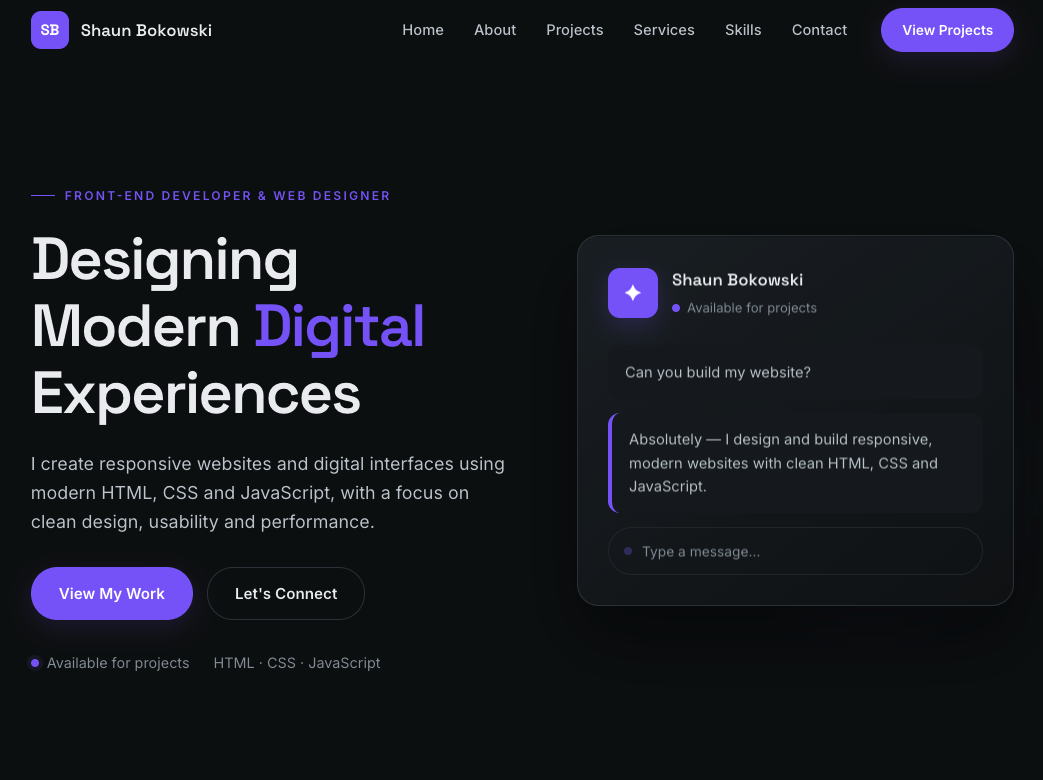
RECOMMENDED
A sleek, responsive portfolio template for developers, designers, freelancers, startups, and digital creators.
View Demo -->DISCOVER
Structure pages, build responsive layouts, and create polished interfaces.
Bassic layout for resume template
Learn more →Helpful tools that explain how to use Cascading Style Sheets to style web pages
CSS Inheritance Guide
Learn more →Practice variables, functions, DOM events, APIs, and interactive projects.
Practice →Explore typography, spacing, navigation, cards, dashboards, and modern UI.
Explore →3 COR Technologies HTML CSS JavaScript.
Explore →DISCOVER
Looking for tools to help with research, writing, coding, and productivity?.
Learn more →Explain the concept in simple terms.
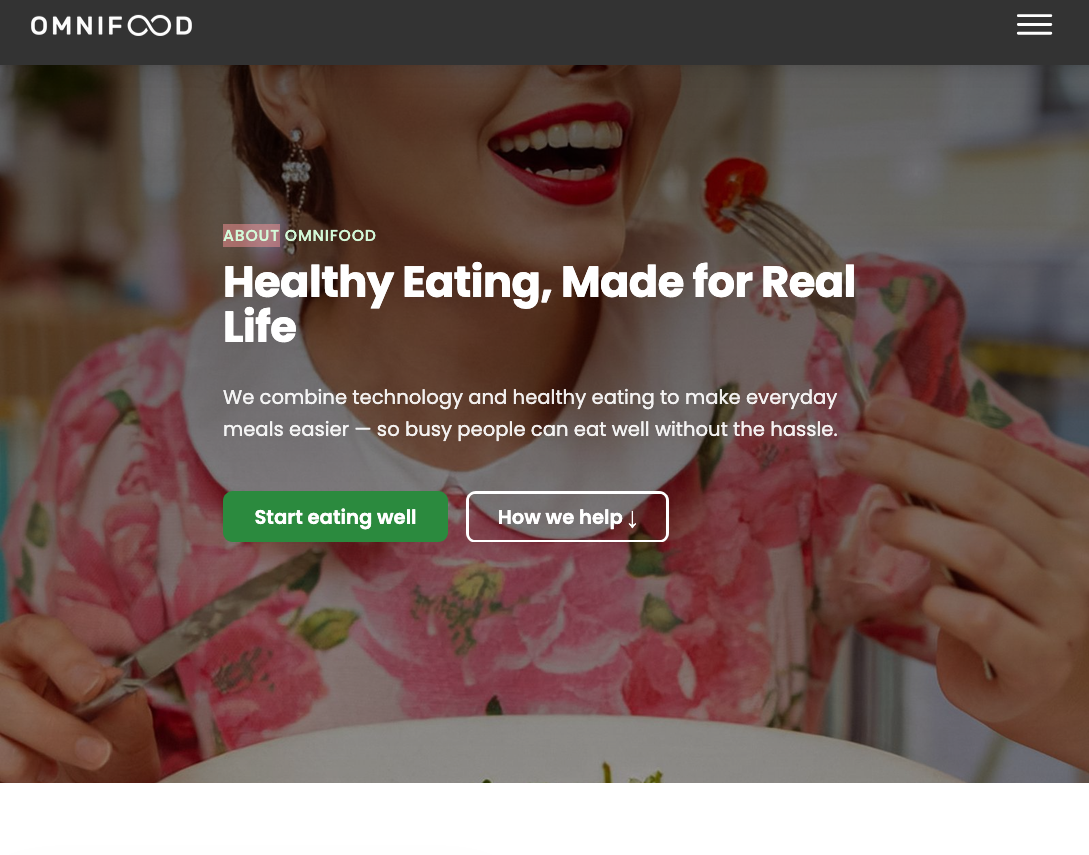
Reference for Website
Directions for website design strategy
I want the site to feel like a modern independent online store, not like a mojor online stor or a large corporate website.
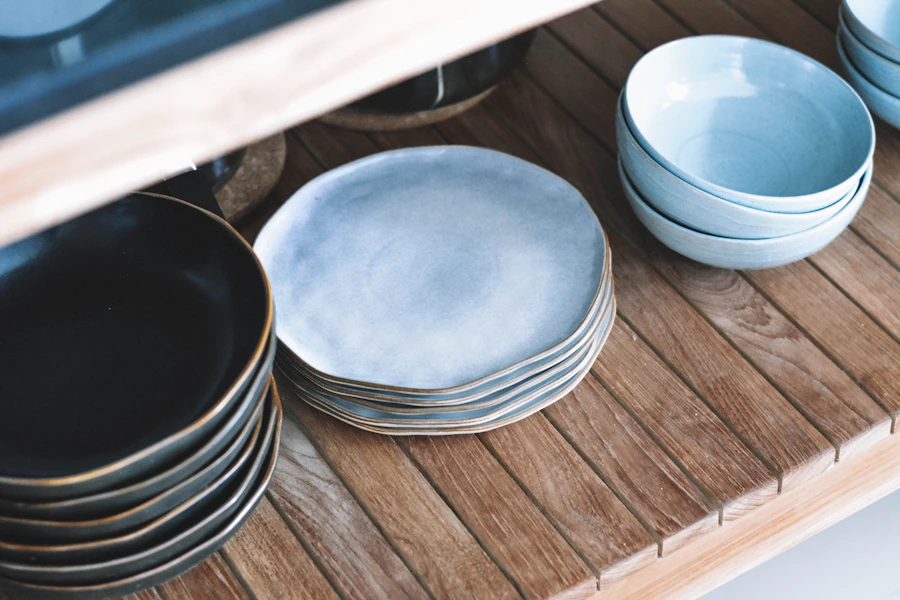
The images used for gallery find them at web site Unsplash.com
Use the website as a clean base e-commerce template.
Directions for website design strategy.
Key idea Do not over design the site. I want the foundation to be simple , modern, spacious and easy to expand.
Do not over design the site. I want the foundation to be simple , modern, spacious and easy to expand.
The primary purpose of the website to showcase products visually .